The best samplers for recording make it easier to capture sounds, build beats, trigger loops, and shape performances without relying entirely on a computer. The right choice depends on whether you need portability, hands-on sequencing, multitrack recording, or a simple way to add loops to guitar and vocals.
We’ve selected 10 options covering pocket-sized samplers, DJ-focused hardware, loop pedals, MIDI controllers, audio interfaces, and recorder bundles. Use the guide below to narrow the list by workflow, connectivity, and recording needs.
Best 10 Samplers for Recording Picks for 2026
Best Portable MPC Sampler

- Standalone battery-powered sampler with microphone and speaker
- 16 MPC pads, chopping, timestretching, and internal resampling
- USB-C, microSD, effects, and live-ready audio connections
Best For: Portable beatmaking, DAWless production, and hands-on sampling
Best Guitar Looper for Phrase Recording
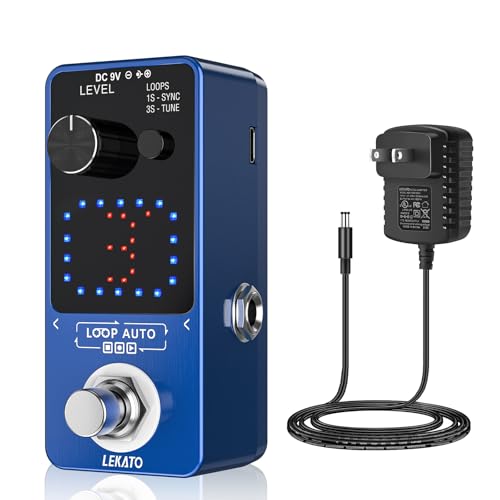
- Three loops with 18 minutes of total recording time
- 48 kHz/24-bit uncompressed recording with analog dry-through
- USB WAV import/export and synchronized overdubbing
Best For: Guitarists building and managing live loop phrases
Best Pocket Sampler for Quick Ideas
Teenage Engineering PO-33 K.O.!

- Sample through the built-in microphone or 3.5 mm input
- Melodic and drum modes with sequencing and 16 effects
- Pocket-sized, battery-powered design with built-in speaker
Best For: Portable beat sketches, short samples, and experimental music
Best Simple Interface for Computer Recording
Zoom AMS-22 USB Audio Interface

- XLR/TRS input with Hi-Z plus stereo 3.5 mm input
- Direct monitoring and loopback without extra software
- USB-C bus-powered design for computer and mobile recording
Best For: Solo recording, streaming, and capturing samples into a DAW
Live DJ Performance Sampler

- Standalone sampler with no laptop required
- 16 velocity-sensitive pads and 7-inch touchscreen
- PRO DJ LINK syncs with compatible DJ gear
Best For: DJs seeking tactile, booth-ready sample performance
Computer Production Pad Controller

- Includes Studio One Artist and Ableton Live Lite
- 16 velocity- and pressure-sensitive RGB pads
- USB control for samples, loops, and virtual instruments
Best For: Computer-based home recording and beat production
Portable Reggae Rhythm Sampler
teenage engineering EP-40 Riddim

- 400+ handcrafted reggae-oriented sounds
- Synced loops, synths, and dub siren included
- Eight remixable tracks in a compact body
Best For: Reggae, dub, and rhythm-focused idea building
Portable Starter Studio

- 24-bit/96 kHz USB-C interface
- Includes condenser mic and monitoring headphones
- Studio One software included
Best For: Musicians, podcasters, and producers starting computer-based recording
Standalone Multitrack Workhorse

- Eight-track simultaneous recording
- Built-in stereo condenser microphones
- Pad sampler, rhythm machine, and USB interface
Best For: Portable multitrack recording, songwriting, and band demos
Footswitch Layering Tool
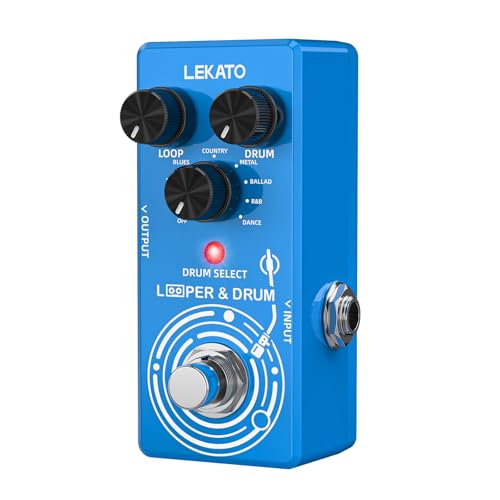
- Six minutes of looping with unlimited overdubs
- Eight drum grooves with real drum samples
- USB-C import/export and auto-save
Best For: Solo performers and guitarists building live loops with drum backing
Best Portable MPC Sampler – Akai MPC Sample
For producers seeking samplers for recording without being tied to a computer, the Akai MPC Sample combines portable sampling, sequencing, effects, and beatmaking in a standalone unit. Its rechargeable battery, built-in microphone and speaker, microSD storage, and MPC-style pads make it suitable for capturing and shaping ideas on the go.
Best For: Beatmakers, finger drummers, DAWless creators, live performers, and beginners who want a portable standalone sampler.
Pros:
- Standalone, battery-powered design with built-in microphone, speaker, and rechargeable battery
- 16 MPC pads, color display, sample chopping, timestretching, repitching, and internal resampling
- Built-in effects, USB-C audio/MIDI, microSD storage, and practical studio and live connections
Cons:
- MIDI DIN connection requires a separate 1/8-inch-to-DIN adapter
- Plastic construction may feel less premium than metal-bodied hardware
- Its broad MPC feature set may take time for first-time sampler users to learn
The MPC Sample is a flexible choice when portability and a complete hands-on workflow matter. It offers more standalone production depth than a basic pocket sampler while remaining approachable for beat-focused recording and performance.
Best Guitar Looper for Phrase Recording – LEKATO Guitar Looper Pedal
While it is designed primarily for guitar looping rather than broad sample production, the LEKATO pedal can suit musicians comparing samplers for recording short musical phrases. It records uncompressed 48 kHz/24-bit audio, supports synchronized overdubbing, and stores loops for later USB transfer.
Best For: Guitarists who want simple phrase recording, overdubbing, looping, and basic USB file management.
Pros:
- Three loops with up to 18 minutes of total recording time
- Synchronous recording lets you enter recording during playback
- Uncompressed 48 kHz/24-bit audio with analog dry-through
- USB import and export for WAV loop files, with automatic file saving
Cons:
- Focused on guitar looping rather than multi-purpose sampling and sound design
- Does not provide the pad-based chopping and sequencing found on dedicated samplers
- Recording capacity is divided across three loop memories
The LEKATO is a practical pedal for building guitar phrases in real time, not a general-purpose sampler. Choose it when foot-controlled looping and straightforward phrase capture are more important than extensive sample manipulation.
Best Pocket Sampler for Quick Ideas – Teenage Engineering PO-33 K.O.!
The teenage engineering PO-33 K.O.! is a highly portable option for capturing quick ideas when shopping for samplers for recording. Its built-in microphone and 3.5 mm input can capture sounds, while melodic and drum modes let you sequence samples with onboard effects in a tiny battery-powered format.
Best For: Mobile beatmakers, experimental musicians, and creators who want an inexpensive, pocket-sized sampler for sketches and loops.
Pros:
- Built-in microphone and 3.5 mm line input for sampling varied sound sources
- Melodic and drum modes support chromatic melodies and beat programming
- 16 onboard effects, built-in speaker, and headphone/line output
- Very compact battery-powered design with approximately 40 seconds of sample memory
Cons:
- Approximately 40 seconds of sample memory is limited for longer recordings
- Small controls and display may be less comfortable for detailed editing
- Its compact workflow is less comprehensive than a full-size standalone sampler
The PO-33 K.O.! excels as an always-available sketchpad for sampling and sequencing. Its limited memory is a tradeoff for extreme portability, making it better for short ideas and playful arrangements than extended recording sessions.
Best Simple Interface for Computer Recording – Zoom AMS-22 USB Audio Interface
The Zoom AMS-22 is an audio interface rather than a standalone sampler, but it belongs in a samplers for recording comparison for musicians who plan to capture audio directly into a computer or mobile device. It provides one XLR/TRS input, a stereo 3.5 mm input, direct monitoring, and loopback for simple recording and streaming workflows.
Best For: Solo musicians, podcasters, and content creators who need a compact computer-connected recording interface.
Pros:
- XLR/TRS combo input with Hi-Z support plus a stereo 3.5 mm input
- Direct monitoring and loopback switches work without additional software
- Music and Streaming modes simplify DAW recording and livestreaming
- USB-C bus power supports lightweight mobile setups
Cons:
- It is an interface, not a standalone sampler with onboard sample memory or sequencing
- Maximum sample rate is 48 kHz
- One main XLR/TRS input limits multi-microphone recording
The AMS-22 is a sensible companion for recording samples into a DAW, especially when portability and simple monitoring matter. It is not the right choice for computer-free sampling, but it offers a focused way to connect instruments, microphones, and playback sources.
Live DJ Performance Sampler – Pioneer DJ DJS-1000
The Pioneer DJ DJS-1000 is a strong choice among samplers for recording when you want a standalone, hands-on setup for building and triggering patterns without a laptop. Its 16 velocity-sensitive pads, 7-inch touchscreen, and step sequencer are designed for live edits, loops, and sample-based performance.
Best For: DJs and performers who want tactile sample triggering and sequencing in a booth-based setup.
Pros:
- Standalone operation supports laptop-free live performance.
- 16 velocity-sensitive pads and a 7-inch touchscreen provide an expressive workflow.
- PRO DJ LINK can sync the sampler with compatible CDJ and DJM setups.
- Step sequencing supports on-the-fly drum patterns and loops.
Cons:
- At 15 pounds, it is less portable than compact pad controllers.
- Its workflow is oriented toward DJ performance rather than a general-purpose computer recording setup.
The DJS-1000 makes the most sense if live control and integration with a DJ booth matter more than minimal size. RCA and TRS outputs plus RCA, USB, and XLR inputs give it a flexible connection set for performance-focused rigs.
Computer Production Pad Controller – PreSonus ATOM Pad Controller
The PreSonus ATOM is a compact pad controller for samplers for recording workflows that run through a computer or compatible mobile device. It combines 16 velocity- and pressure-sensitive RGB pads with Studio One Artist and Ableton Live Lite software, making it useful for triggering samples, loops, effects, and virtual instruments.
Best For: Home producers who want expressive pad control for computer-based recording and beat production.
Pros:
- Includes Studio One Artist, Ableton Live Lite, and Studio Magic plug-in content.
- 16 full-size velocity- and pressure-sensitive RGB pads support expressive playing.
- Eight assignable pad banks expand the available control options.
- Assignable buttons, rotary encoders, and editing controls support production tasks.
Cons:
- Requires USB-connected compatible hardware rather than operating as a standalone sampler.
- Software features and some modes depend on the application being used.
At 16 ounces and roughly 9.9 inches square, the ATOM is easy to fit into a small desk setup. It is best viewed as a recording controller and software bundle, not as an independent sampling workstation.
Portable Reggae Rhythm Sampler – teenage engineering EP-40 Riddim
The teenage engineering EP-40 Riddim brings a focused reggae-oriented approach to samplers for recording, combining synced loops, bass and lead synths, a dub siren, and more than 400 handcrafted sounds. Its eight remixable tracks and built-in synth engine suit quick sketching and performance-driven arrangement.
Best For: Producers and performers creating reggae, dub, rhythm, and bass-focused ideas in a compact format.
Pros:
- Includes more than 400 handcrafted sounds in a reggae-focused library.
- Combines synced loops with bass and lead synth engines.
- Eight remixable tracks support arranging and reshaping ideas.
- Compact body measures about 9.84 by 9.84 by 1.18 inches.
Cons:
- Its reggae-specific sound set may be less versatile for unrelated genres.
- The supplied details do not specify computer connectivity or audio input/output options.
The EP-40 Riddim is a genre-focused sketchpad rather than a broadly documented studio interface. Choose it for its curated sounds, synced-loop workflow, and portable format, especially if reggae and dub textures are central to your projects.
Portable Starter Studio – AudioBox Go Creator Bundle
If you want samplers for recording but also need a straightforward setup for vocals, instruments, or podcasts, the PreSonus AudioBox Go Creator Complete Studio Bundle is a practical starting point. It combines a compact 24-bit/96 kHz USB-C interface with a condenser microphone, monitoring headphones, and Studio One 6 Artist Edition software.
Best For: Musicians, podcasters, and producers building a compact computer-based recording setup.
Pros:
- Includes the AudioBox Go interface, M7 condenser microphone, and HD7 monitoring headphones.
- Supports recording at up to 24-bit/96 kHz through USB-C.
- Works with Windows and macOS and supports major DAWs including Studio One, Ableton Live, Logic Pro, and Reaper.
Cons:
- It is a two-channel interface rather than a multitrack sampler or recorder.
- The included microphone and headphones may be better suited to getting started than to specialized studio work.
This bundle is strongest when you want an all-in-one entry point for recording to a computer. Choose it for a compact interface package, not for standalone sampling or onboard multitrack recording.
Standalone Multitrack Workhorse – Zoom R8 Recorder and Sampler
Among samplers for recording, the Zoom R8 stands out as a standalone tabletop unit that combines multitrack recording, a pad sampler, rhythm machine, and USB audio interface. It can record up to eight tracks simultaneously to SD memory and provides built-in stereo condenser microphones for mobile or quick-capture sessions.
Best For: Songwriters, bands, and producers who want portable multitrack recording with onboard microphones and sampling-oriented features.
Pros:
- Records up to eight tracks simultaneously and supports 16-track playback.
- Includes built-in stereo condenser microphones for convenient recording away from a studio.
- Supports SDHC cards up to 32GB and doubles as a USB audio interface.
Cons:
- Maximum recording resolution is 16/24-bit at 44.1 kHz.
- Storage media is required for standalone recording and is not listed as included.
- Its listed connectivity centers on USB and XLR input, so it may require extra gear for certain setups.
The R8 is the more capable choice here for standalone, track-based recording and idea capture. Its eight simultaneous recording tracks make it a practical fit for rehearsals, demos, and portable production.
Footswitch Layering Tool – Lekato Looper Drum Machine
For guitarists considering samplers for recording in a live or practice rig, the LEKATO Looper Drum Machine offers a compact two-in-one approach. It combines a 44.1 kHz/24-bit looper with unlimited overdubs, USB import/export, and a drum machine featuring real drum samples across eight styles.
Best For: Solo guitarists, bedroom musicians, street performers, and players who want foot-controlled loops with backing rhythms.
Pros:
- Provides up to six minutes of loop recording with unlimited overdubs and undo/redo.
- Looper and drum machine can operate independently or together.
- Offers USB-C import/export, auto-save, tap tempo, and independent volume controls.
- Uses real drum samples from three acoustic drum kits across eight musical styles.
Cons:
- It is a pedal-based looper rather than a multitrack studio recorder.
- Automatic drum synchronization supports only phrases in 4/4 time.
- Power adapter and cable are not included.
This pedal is best for performance-oriented layering and practice rather than detailed studio arrangement. It is a compact option when hands-free control, drum backing, and quick overdubs matter most.
How We Picked These Samplers for Recording
We chose products that support distinct recording workflows rather than treating every sampler as the same type of device. The lineup includes dedicated samplers and grooveboxes, loop pedals for live musicians, portable multitrack recorders, USB interfaces, and MIDI controllers that operate sampling software. We considered hands-on control, portability, input and output options, sequencing or looping features, included software, and suitability for beginners and experienced producers.
Because “sampler” can describe several product categories, check the individual specifications carefully. Some selections record and manipulate audio directly, while others control software or combine sampling with looping, drum programming, or multitrack recording.
Quick Comparison
| Best For | Look For | Relevant Picks |
|---|---|---|
| Portable beatmaking | Battery power, internal sequencing, compact controls | Akai MPC Sample, PO-33 K.O.!, EP–40 |
| Live guitar looping | Loop time, overdubbing, drum patterns, tap tempo | LEKATO looper pedals |
| DJ and performance sampling | Large pads, touchscreen workflow, standalone operation | Pioneer DJ DJS-1000 |
| Computer-based production | Responsive pads, DAW compatibility, included software | PreSonus ATOM |
| Recording multiple sources | XLR inputs, multitrack capture, monitoring, storage | Zoom R8, PreSonus AudioBox Go bundle |
| Streaming and simple recording | USB connectivity, compact size, straightforward I/O | Zoom AMS-22 |
Key Buying Factors for Samplers for Recording
Sampling and Recording Workflow
Decide whether you want to sample from a microphone, instrument, line-level source, or computer. Standalone units are useful when you want to record and arrange without a laptop. MIDI controllers and interfaces generally depend on a computer and recording software, but they may offer a larger editing environment.
Inputs, Outputs, and Monitoring
Check the number and type of inputs before buying. XLR inputs matter for microphones, while high-impedance instrument inputs suit guitar and bass. Stereo outputs are useful for playback and live systems; headphone monitoring helps when recording without speakers. Also confirm whether the device provides phantom power if you plan to use a condenser microphone.
Pads, Sequencing, and Loop Control
Velocity-sensitive pads can improve drum programming and expressive sample triggering. Loop pedals prioritize foot control and immediate overdubbing, while grooveboxes may provide deeper sequencing, effects, and sample manipulation. If you perform live, favor clear timing controls, reliable synchronization, and easy undo or overdub functions.
Portability and Power
Compact samplers are convenient for travel and quick ideas, but smaller controls and limited storage may be trade-offs. For pedalboards, verify the required power supply. For portable recorders and grooveboxes, check battery options, included adapters, and storage requirements.
Who Should Buy Which Samplers for Recording?
Choose a compact groovebox or micro sampler if you want to sketch beats anywhere. Guitarists and vocalists who need hands-free looping should look at the LEKATO pedals. DJs and performers who want tactile, standalone sample triggering may prefer the Pioneer DJ unit. Producers working primarily in a DAW can get strong value from the PreSonus pad controller, while streamers and solo musicians may find a compact Zoom interface sufficient.
If you need to record rehearsals, demos, or several microphones without a computer, prioritize the Zoom R8 or a complete recording bundle. Finally, beginners should favor products with simple controls, included software, or an all-in-one setup; experienced users can focus on synchronization, pad response, sample memory, and integration with an existing studio.